Audio Innovations Elevating Player Retention Across Digital Slot Platforms
Klara Koch · Jun 19, 2026
Audio Innovations Elevating Player Retention Across Digital Slot Platforms
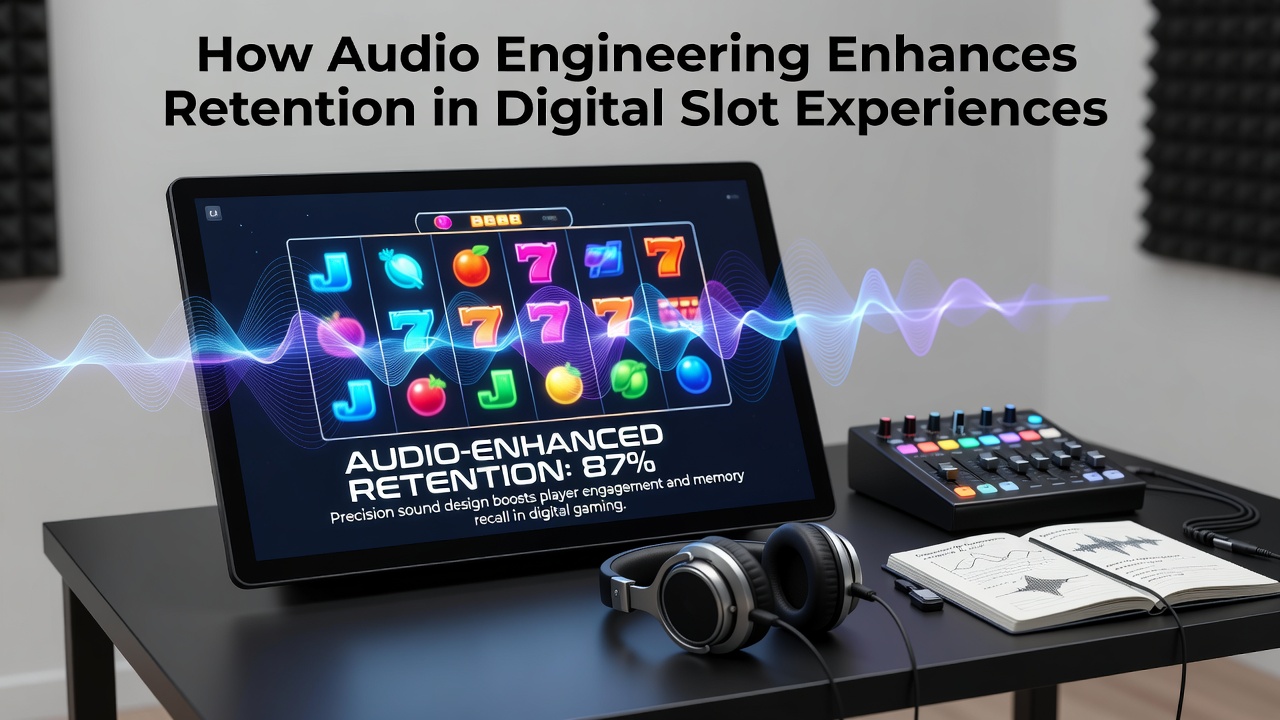
Audio engineering shapes how players interact with digital slot platforms through carefully calibrated sound layers that align with reward mechanics and session pacing. Developers integrate frequency ranges, dynamic volume shifts, and thematic motifs to match reel outcomes, creating feedback loops that studies link to extended play durations. Research from institutions such as the University of Nevada Reno's gaming technology division shows that synchronized audio cues increase average session lengths by 18 to 25 percent compared with muted versions of the same titles.
Core Components of Slot Audio Systems
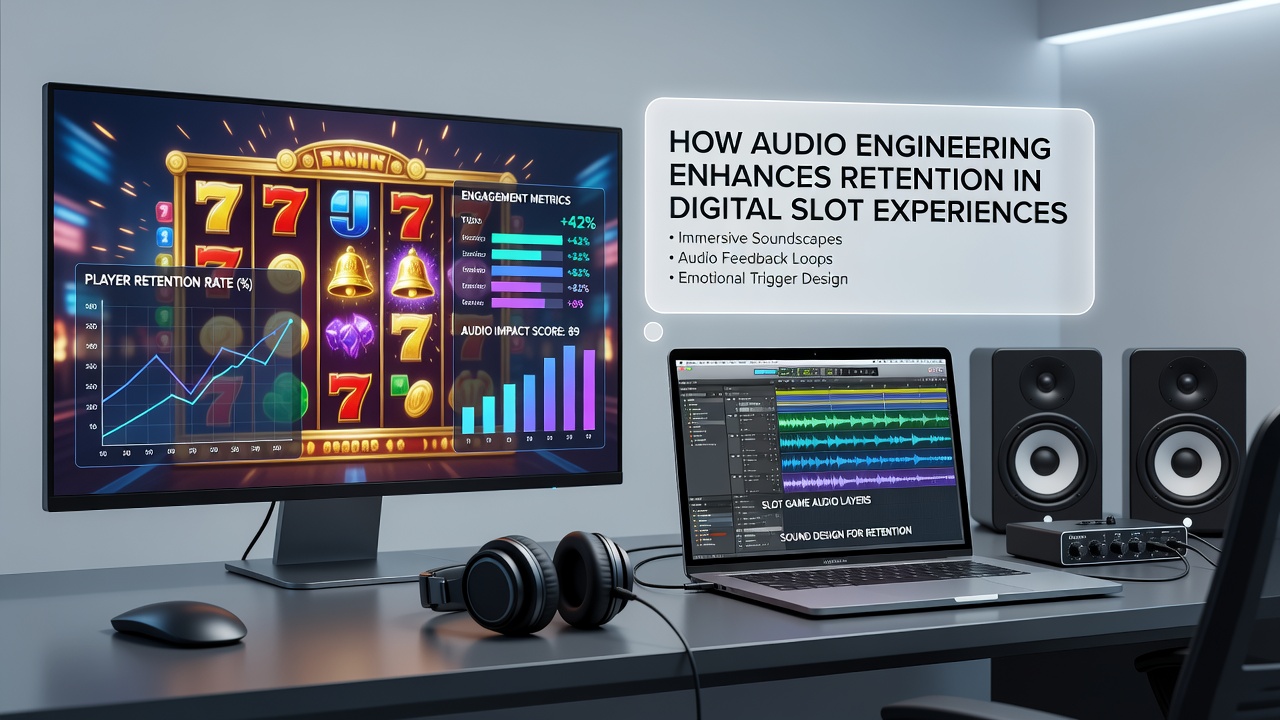
Modern slot audio builds from multiple tracks that activate simultaneously or sequentially based on player actions and random outcomes. Base game loops feature low-intensity ambient sounds while win animations trigger rising pitch sequences and layered percussion. Jackpot events incorporate distinct harmonic progressions that differ from routine payouts, allowing the system to signal value without visual reliance alone. Engineers adjust attack and decay times so each sound completes before the next reel spin begins, maintaining rhythmic continuity that prevents abrupt breaks in immersion.
Adaptive mixing algorithms monitor bet size and consecutive spins, then modulate background intensity accordingly. When data shows prolonged dry spells, the system gradually lowers non-essential frequencies to reduce fatigue while preserving reel-click accents that mark each rotation. This approach draws from principles documented in audio psychology reports where sustained exposure to mid-range tones correlates with maintained attention spans.
Psychological Mechanisms Behind Retention
Variable reward schedules in slots pair with audio patterns that mirror operant conditioning frameworks. A near-miss accompanied by a truncated ascending melody creates tension that resolves only on the subsequent spin. Observers note that players exposed to these incomplete audio phrases demonstrate higher return rates within the same session, as the brain seeks auditory closure. Frequency modulation further contributes because certain bass-heavy tones activate reward pathways more consistently than higher registers alone.
Industry analyses from the Canadian Gaming Association indicate that titles incorporating real-time audio adaptation retain 12 percent more users at the 30-minute mark than static-sound counterparts. These figures emerge from aggregated telemetry across multiple operators and reflect patterns observed through June 2026 data sets. The same reports highlight that thematic consistency between visuals and soundtracks reduces early exits, particularly when licensed properties supply recognizable musical motifs that players already associate with positive experiences.
Implementation Across Different Markets
European operators have adopted server-side audio rendering to ensure consistent delivery regardless of device processing power. This method streams pre-mixed stems that recombine according to game state, minimizing latency while preserving spatial positioning effects through stereo panning. Australian regulatory submissions from 2025 detail how these techniques comply with harm-minimization guidelines by allowing players to toggle specific sound categories without disabling core feedback tones.
North American platforms emphasize jackpot celebration sequences because regional player surveys reveal stronger responses to communal audio cues during shared progressive wins. Sound designers therefore calibrate decibel peaks and harmonic density to stand out amid casino floor noise when games appear in hybrid land-based and online environments. Data collected by the Nevada Gaming Control Board through early 2026 confirms that optimized audio correlates with measurable increases in repeat visits across both channels.
Technical Advances Shaping Future Designs
Recent advances include procedural audio generation that creates unique variations for each win rather than relying on fixed sample libraries. Machine learning models trained on player telemetry adjust parameters such as reverb depth and stereo width in response to detected engagement metrics. These systems remain under testing at several major studios, yet preliminary results shared at industry gatherings suggest further gains in session extension when procedural layers replace repetitive loops.
Integration with haptic feedback on mobile devices adds another dimension, where low-frequency audio pulses translate directly into device vibration patterns. This multisensory alignment strengthens the association between sound events and physical outcomes, reinforcing the retention effect without requiring additional visual processing. Observers tracking adoption rates note steady growth in titles offering synchronized audio-haptic packages since late 2025.
Conclusion
Audio engineering operates as a foundational retention tool within digital slot experiences by aligning sonic cues with psychological reward structures and technical delivery methods. Continued refinement through adaptive algorithms and cross-sensory integration points toward sustained evolution in how these platforms maintain player engagement over time.