Biometric Authentication Reshapes Remote Gambling Account Protections
Yara Griffin · Aug 26, 2026
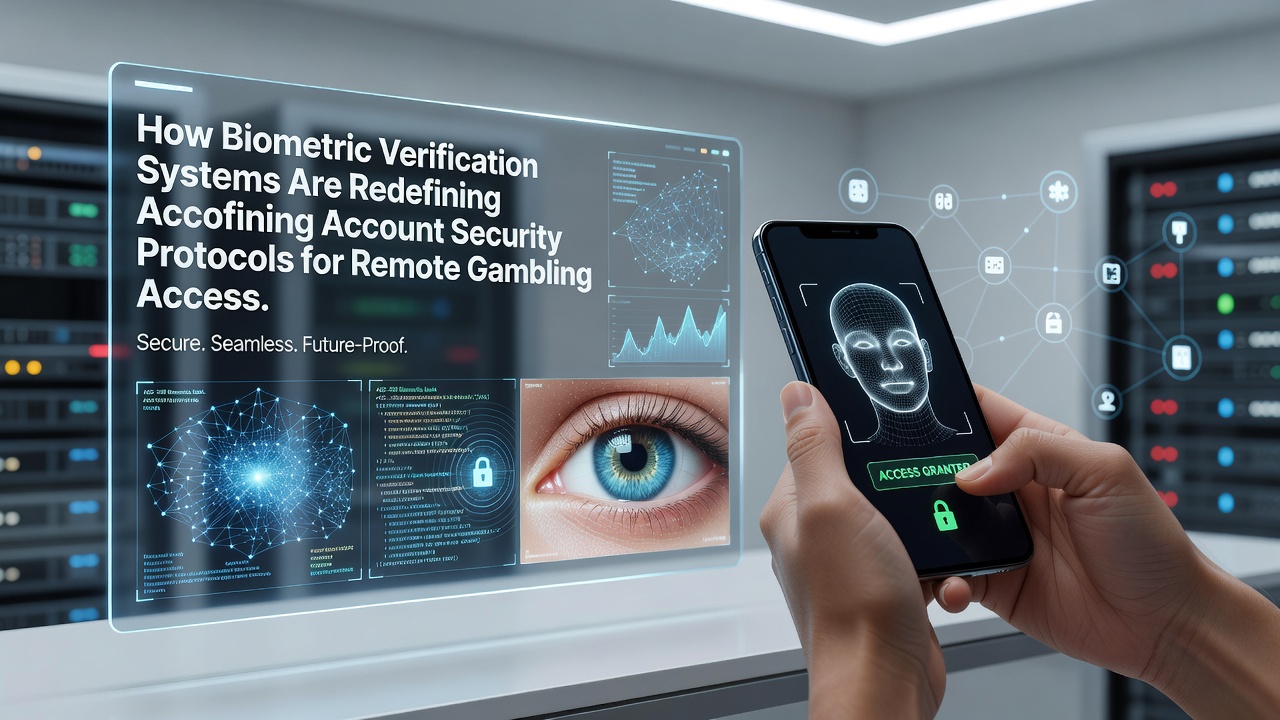
Biometric Authentication Reshapes Remote Gambling Account Protections
Biometric verification systems have moved from experimental pilots into mainstream deployment across remote gambling platforms, where they replace or supplement traditional password adn two-factor methods with physiological and behavioral identifiers that include facial recognition, fingerprint scans, and voice patterns. Operators report these tools reduce account takeover attempts while meeting stricter know-your-customer requirements in multiple jurisdictions. Data from the National Institute of Standards and Technology indicates that biometric matching algorithms now achieve error rates below 0.1 percent under controlled conditions when calibrated for lighting and device variability.
Core Technologies Driving Adoption
Remote gambling operators integrate several biometric modalities that work together in layered protocols. Facial recognition serves as the primary entry point because most user devices already contain cameras, while fingerprint sensors on smartphones add a secondary check during high-value transactions. Voice biometrics appear in customer support calls and automated verification flows, capturing unique vocal traits that remain consistent even when users speak from different locations. Behavioral signals such as typing rhythm and device handling patterns run in the background and trigger additional checks when deviations exceed established thresholds.
Regulatory Drivers in Multiple Regions
August 2026 saw updated digital identity guidelines in several markets that explicitly recognize biometric data as an acceptable form of remote identity assurance. Canadian provincial regulators updated their online gaming standards to require biometric confirmation for accounts exceeding certain deposit limits, while Australian authorities expanded digital identity frameworks to cover licensed wagering operators. These policy shifts encourage platforms to adopt standards developed by international bodies rather than maintaining separate verification processes for each jurisdiction.
Impact on Fraud Prevention Metrics
Platforms that implemented biometric systems recorded measurable drops in chargeback rates and account sharing incidents according to industry reports. One large European operator documented a 47 percent reduction in disputed transactions within six months of rollout, attributing the change to the difficulty of replicating live biometric samples. Multi-factor systems that combine biometrics with device fingerprinting further limit credential stuffing attacks that rely on stolen password databases.

Technical Integration Challenges
Operators must address device compatibility, data storage rules, and user consent workflows before full deployment. Some regions require on-device processing so raw biometric templates never leave the user’s hardware, which reduces server-side storage risks but demands consistent software updates across operating systems. Cross-border data transfer rules add another layer because certain jurisdictions classify biometric information as sensitive personal data that cannot move outside approved regions without explicit safeguards.
User Experience and Accessibility Considerations
Studies from research institutions show that most users complete biometric enrollment in under two minutes when guided by clear on-screen instructions, yet a small percentage encounter failures due to medical conditions or environmental factors. Platforms therefore maintain fallback authentication paths that still meet regulatory standards without forcing every user through the same sequence. Accessibility guidelines now recommend offering at least two biometric options so individuals with temporary injuries or disabilities retain access.
Future Developments in Verification Protocols
Industry observers note ongoing work on liveness detection techniques that distinguish between real users and presentation attacks using photos, videos, or masks. Advances in 3D depth sensing and infrared analysis continue to raise the bar for spoofing attempts. Research collaborations between academic groups and gaming technology providers focus on standardizing template formats so users can port verified identities across multiple licensed operators without repeated enrollment steps.
Conclusion
Biometric verification has become a central component of account security strategies for remote gambling operators seeking to balance regulatory compliance with operational efficiency. Continued refinement of matching algorithms, clearer cross-jurisdictional standards, and improved accessibility features will determine how widely these systems expand in the coming years. Platforms that integrate biometric tools with existing fraud detection layers report stronger protection against unauthorized access while maintaining usable login flows for legitimate players.