Cross-Border Loyalty Structures Shape Player Engagement in Global Digital Gambling Platforms
Klara Koch · Aug 23, 2026
Cross-Border Loyalty Structures Shape Player Engagement in Global Digital Gambling Platforms
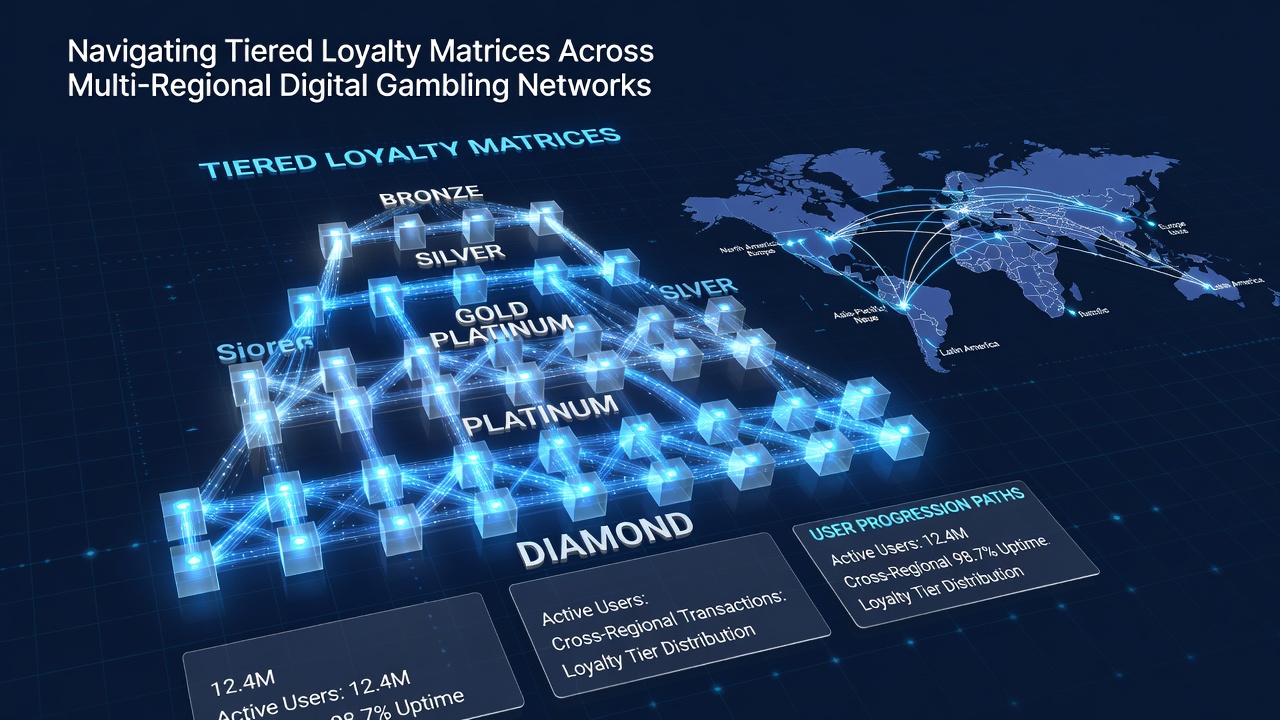
Digital gambling operators maintain tiered loyalty matrices that assign players to levels such as bronze, silver, gold, and platinum based on accumulated points from wagers, deposits, and session activity; these systems operate across multiple regulatory jurisdictions where point values, redemption options, and bonus multipliers differ by region. Operators synchronize data through centralized platforms while complying with local rules on bonus caps, tax withholdings, and responsible gaming limits that vary between North America, Europe, Asia-Pacific, and Latin American markets.
Core Mechanics of Tiered Reward Systems
Players earn points through standardized formulas that calculate activity across slots, table games, and live dealer sessions, yet conversion rates to loyalty credits adjust according to jurisdictional requirements. A single wager in one market might generate twice the points compared with an identical bet placed through a platform licensed in another territory because multipliers reflect local competition and tax structures. Redemption catalogs include cashback percentages, free spin allocations, and exclusive event access that operators restrict or expand depending on the player's registered region and the platform's operating license.
Data from industry tracking services shows that operators in August 2026 reported increased cross-border account activity as players sought to maximize tier progression by routing play through networks with favorable point accrual rates. Platforms integrate these matrices with player verification systems to prevent abuse while maintaining separate ledgers for each licensed entity.
Regional Regulatory Influences on Loyalty Design
North American operators adhere to state-by-state and provincial guidelines that cap bonus values and require clear disclosure of tier qualification thresholds. European markets impose stricter rules on bonus wagering requirements and mandate that loyalty rewards remain separate from deposit bonuses in player communications. Asia-Pacific jurisdictions often link loyalty benefits to tourism incentives, allowing higher tier members access to physical resort perks when they visit affiliated properties.
Observers note that operators must recalibrate point expiration policies and tier maintenance requirements whenever regulatory bodies update guidelines, such as those issued by the Alcohol and Gaming Commission of Ontario or the Australian Communications and Media Authority. These adjustments ensure that reward structures remain compliant without disrupting player progression across borders.
Technical Integration Across Multiple Jurisdictions
Backend systems aggregate player data from different licensing entities into unified profiles while enforcing geo-fencing and IP verification to direct traffic to the correct regional ledger. When a player relocates or accesses the platform from a new territory, the system automatically applies the corresponding tier rules and converts existing points according to pre-set exchange rates. This process prevents double-counting and maintains audit trails required by each regulator.
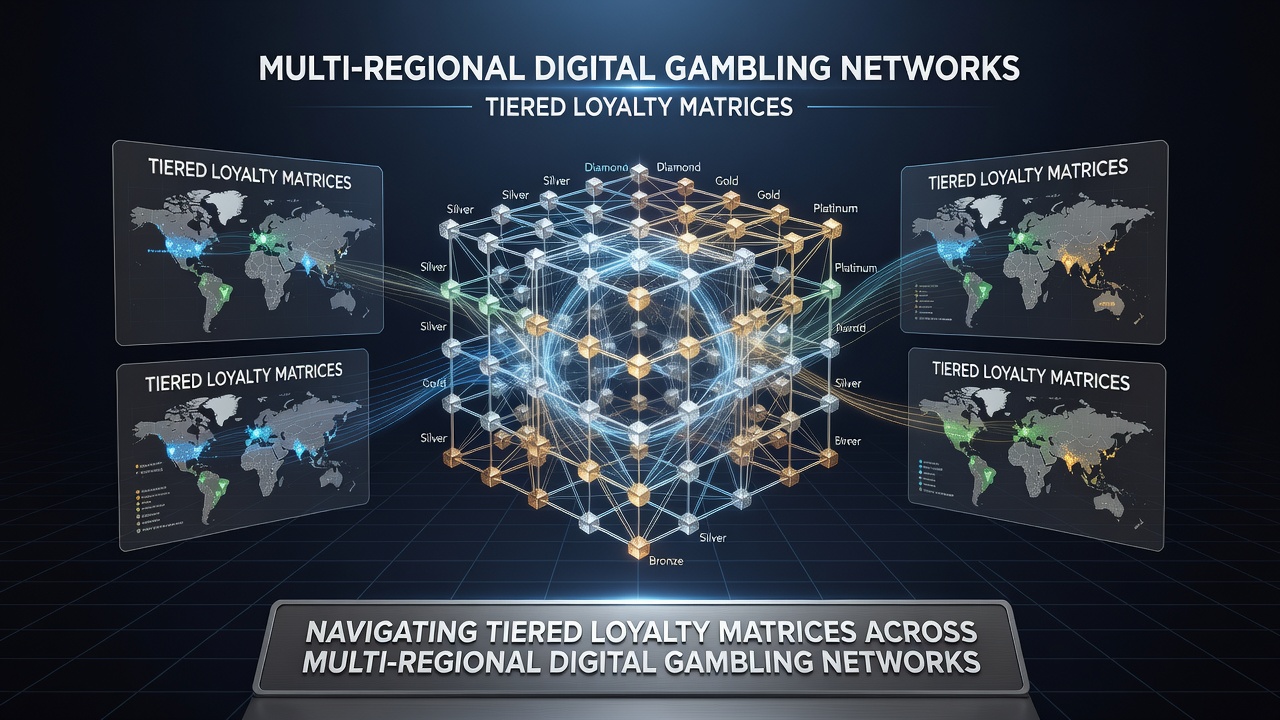
Technical teams employ API connections that update tier status in real time, allowing players to view their current level and upcoming qualification targets regardless of which regional portal they use. Security protocols encrypt point balances and redemption histories to meet data protection standards that differ between the General Data Protection Regulation in Europe and equivalent frameworks in other regions.
Player Navigation Strategies and Platform Responses
Players who maintain accounts across multiple licensed entities often track qualification windows separately because each region resets tier periods on different schedules. Some operators publish calendars that list regional reset dates and point multiplier events, helping participants plan activity to reach higher tiers before deadlines. Support teams provide region-specific guidance on how deposits, wagering, and loyalty redemptions interact with local tax reporting obligations.
Research from gaming analytics firms indicates that participants who monitor these calendars achieve tier upgrades more consistently than those who focus on single-market play. Operators respond by offering consolidated dashboards that display projected qualification dates across all active regions for verified accounts.
Future Developments in Multi-Regional Loyalty Management
Industry reports from organizations such as the American Gaming Association project continued growth in cross-border loyalty participation through 2027 as operators refine interoperability standards. New frameworks under discussion include standardized point portability agreements between compatible licensing bodies, which would allow players to transfer credits when moving between participating jurisdictions without losing progress.
Academic studies from institutions examining digital gaming economics continue to analyze how tiered structures influence player retention rates across regulatory environments. These findings help operators adjust qualification criteria to balance engagement incentives with compliance requirements in each market.
Conclusion
Tiered loyalty matrices in multi-regional digital gambling networks require coordinated technical systems, region-specific compliance measures, and transparent player communication to function effectively. Operators that maintain accurate regional ledgers while providing unified visibility enable participants to navigate qualification requirements across borders. Continued regulatory updates and technical refinements will shape how these structures evolve in response to expanding global participation.