Cross-Border Tax Policies Reducing Net Winnings for International Online Casino Players
Alex Powell · Jun 5, 2026
Cross-Border Tax Policies Reducing Net Winnings for International Online Casino Players
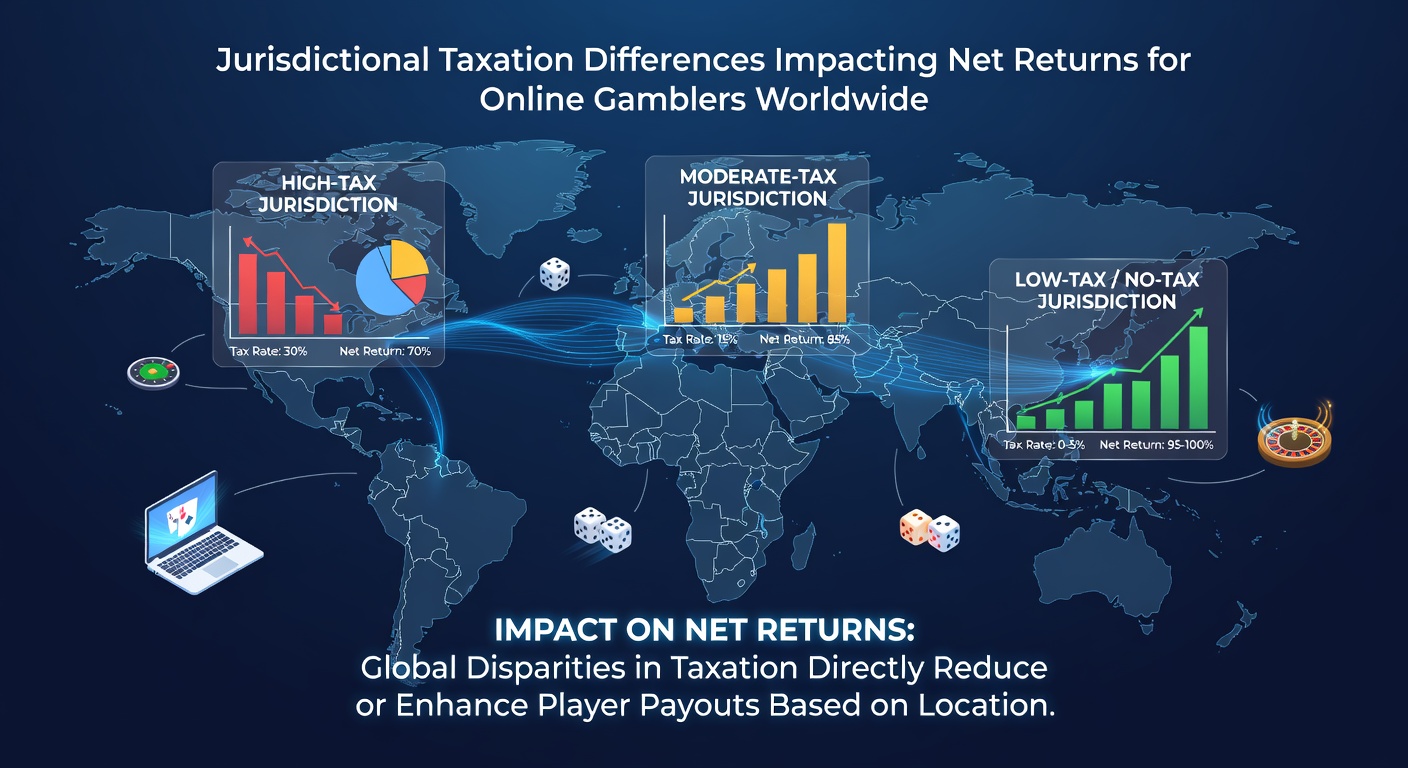
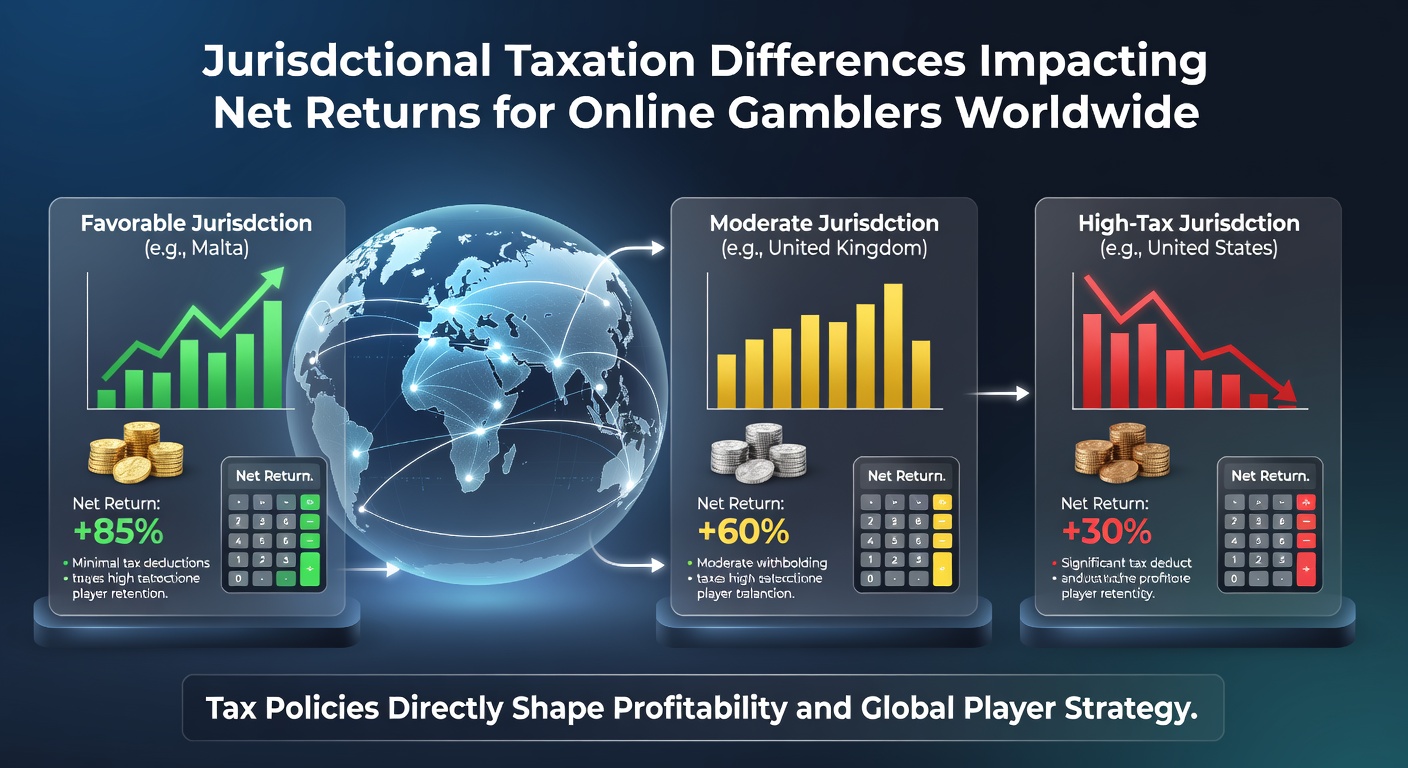
Tax rules vary sharply across borders and these differences directly cut into the amounts online gamblers keep after wins. Operators and players alike track reporting requirements because governments collect portions of payouts through income taxes or specific levies while some regions impose none at all. Data from regulatory filings show that net returns shift based on where a player resides and where the platform holds its license.
United States Requirements and Reporting Obligations
Federal rules treat gambling winnings as ordinary income so players must declare amounts above certain thresholds on annual returns. The Internal Revenue Service publishes detailed guidance that lists forms needed for reporting and explains how losses offset gains when itemized properly. Many states add their own layers with rates ranging from zero in a handful of locations to over 10 percent elsewhere and this combination reduces take-home figures for residents who play regularly.
Platforms licensed in the US often withhold taxes automatically on large jackpots yet cross-border play introduces extra complications because foreign sites may not file domestic forms. Observers note that players who maintain records of deposits and withdrawals improve their ability to substantiate claims during audits.
European Variations and Withholding Practices
Countries within the European Union apply inconsistent approaches to online gambling proceeds. Some treat winnings as tax-free while others require operators to deduct percentages at source before funds reach player accounts. Recent figures from national revenue services indicate that German and French systems impose progressive rates tied to total annual gains whereas Italian platforms handle withholding through licensed networks.
Players who move between jurisdictions encounter residency tests that determine final liability. Tax treaties between nations sometimes prevent double collection yet documentation requirements remain strict and late filings trigger penalties that further erode returns.
Asia Pacific and Australian Frameworks
Australian Taxation Office guidelines generally exclude gambling winnings from assessable income for recreational participants although professional players face different scrutiny when activities resemble a business. Singapore and Malaysia maintain strict licensing regimes that channel play through approved sites yet impose no direct tax on individual payouts. Data released in early 2026 shows continued growth in regional player bases alongside stable net return percentages because of these lighter policies.
Canadian residents report winnings under Canada Revenue Agency rules that classify certain windfalls as taxable when tied to regular activity. Provincial variations add complexity because some areas offer rebates or credits that soften the overall impact compared with federal calculations alone.
Impact on Platform Selection and Player Behavior
Operators respond to these jurisdictional spreads by highlighting license locations in marketing materials while players compare effective rates across sites. Research from industry associations reveals that platforms licensed in low-tax environments attract higher volumes from high-stakes participants seeking to maximize retained amounts. Payment flows and currency conversions introduce additional variables because exchange fees compound with any tax withheld at the source.
June 2026 updates from several revenue agencies include clarified guidance on cryptocurrency winnings which many online platforms now accept. These statements emphasize that digital asset values at the moment of receipt determine taxable bases and this adds tracking steps for users who hold positions across multiple jurisdictions.
Conclusion
Global taxation differences continue to shape how much online gamblers retain from their winnings because each country applies its own definitions of income and collection methods. Accurate record-keeping combined with awareness of residency rules helps players navigate these systems while operators adjust compliance processes to maintain access in multiple markets. Official sources such as IRS publications and reports from the Australian Taxation Office provide the foundational details that inform these calculations worldwide.