Data Breakdown Reveals Mobile Casino Adoption Rates Shifting Across Age Demographics
Yara Griffin · Jun 28, 2026
Data Breakdown Reveals Mobile Casino Adoption Rates Shifting Across Age Demographics
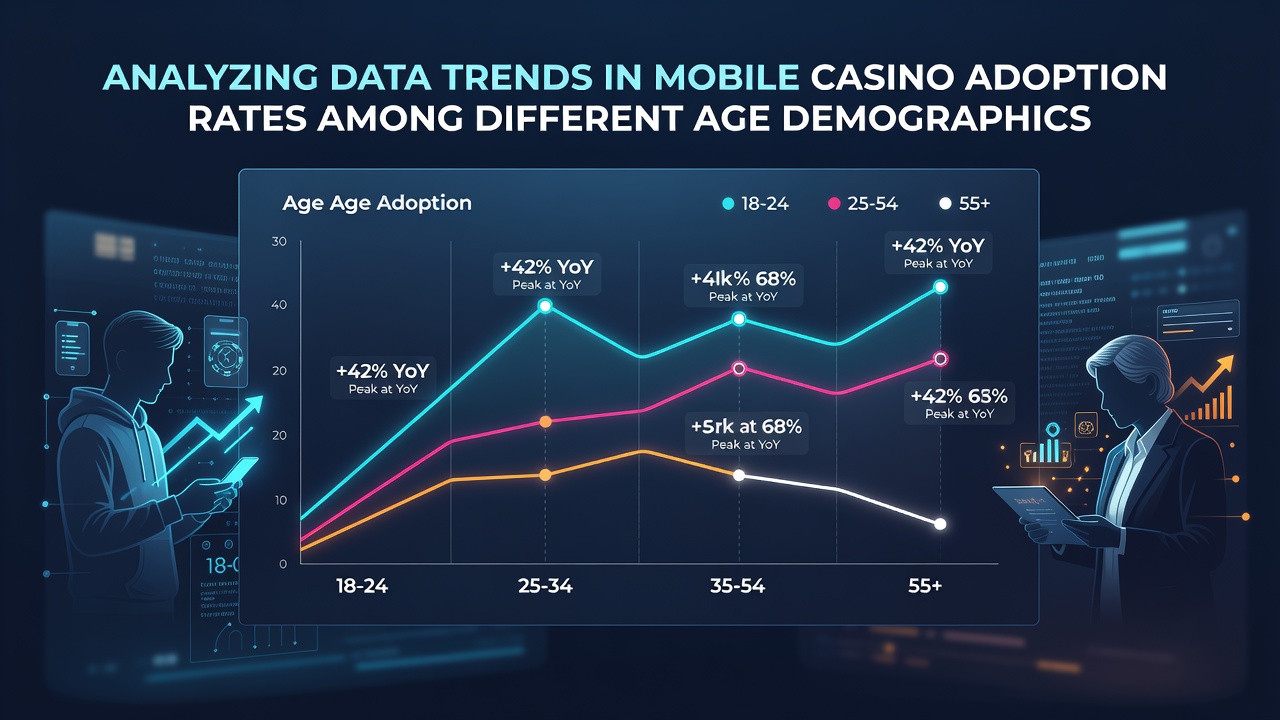
Analysts tracking mobile casino platforms have documented clear variations in adoption rates when segmented by age brackets, and these patterns continue to evolve as device access and platform features adapt to user habits. Data compiled through mid-2026 shows younger cohorts maintaining higher engagement levels while older groups demonstrate steady incremental growth, particularly in regions where regulatory frameworks support expanded digital access.
Researchers monitoring usage statistics note that individuals aged 18 to 24 account for a substantial portion of new account registrations on mobile interfaces, driven by seamless integration with social features and shorter session formats. Figures released in June 2026 from industry monitoring groups indicate this demographic represents approximately 35 percent of active mobile casino users in North American markets, a proportion that has held relatively stable since late 2025. Those studying behavioral logs point out that this group tends to favor quick-access games accessible through dedicated apps rather than browser sessions.
Trends Among Mid-Range Age Brackets
People between 25 and 34 years old display the broadest geographic spread in adoption, with participation rates climbing in both urban centers and suburban areas where 5G coverage has improved download speeds. Observers tracking transaction volumes find that this cohort contributes the largest share of deposit activity on mobile devices, often combining play with other daily digital routines such as streaming or shopping applications. Reports from the American Gaming Association highlight how payment method preferences within this bracket lean toward digital wallets, which streamline repeated access without requiring repeated verification steps.
Individuals aged 35 to 44 show adoption curves that have accelerated since 2024, coinciding with wider availability of tablet-optimized interfaces that accommodate longer play intervals during commuting or evening downtime. Studies compiled by academic teams at institutions such as the University of Nevada, Las Vegas track how this group balances mobile sessions with occasional desktop access, creating hybrid usage patterns that differ from purely phone-centric behaviors seen in younger users.
Patterns in Older Demographics
Adoption among those 45 to 54 has increased at a measured pace, supported by simplified navigation tools and larger font options introduced by major platform operators in early 2026. Data sets gathered across multiple jurisdictions reveal that this bracket prioritizes security certifications and transparent payout records when selecting mobile applications, leading to higher retention rates once initial registration hurdles are cleared. External analyses from sources like the Ontario Lottery and Gaming Corporation document how trust signals such as licensing badges influence selection decisions more heavily here than in younger segments.

Users over 55 register at lower baseline rates yet exhibit consistent month-over-month gains tied to family-sharing features and voice-command compatibility on newer handsets. Longitudinal tracking conducted through regulatory reporting channels shows this group often begins with social casino variants before transitioning to real-money options, a pathway that reduces perceived risk during early exposure. Those examining session duration metrics note that play periods in this demographic tend toward extended single sessions rather than frequent short bursts.
Regional Influences on Age-Based Adoption
Geographic factors intersect with age demographics in ways that affect overall uptake, particularly where cross-border access rules differ. In markets with mature digital infrastructure, younger users migrate between platforms more fluidly, while older participants remain loyal to operators offering localized language support and regional payment integrations. Industry reports compiled for June 2026 indicate that adoption gaps between urban and rural users narrow most noticeably within the 35 to 44 bracket, where device upgrades occur at higher frequencies.
Regulatory updates implemented across various jurisdictions during the first half of 2026 have prompted platform adjustments that accommodate age-specific verification flows, reducing friction points for older demographics without altering core mechanics for younger cohorts. Observers note that these changes align with broader efforts to standardize responsible gaming prompts across mobile interfaces.
Conclusion
Comprehensive examination of mobile casino adoption data through June 2026 underscores how age demographics shape distinct usage profiles, from registration pathways to session preferences and payment selections. Continued monitoring of these trends provides operators and regulators with measurable benchmarks for platform development and compliance alignment across different user populations.