Encryption Pathways Securing Funds Across Transnational Casino Networks
Alex Powell · Aug 21, 2026
Encryption Pathways Securing Funds Across Transnational Casino Networks
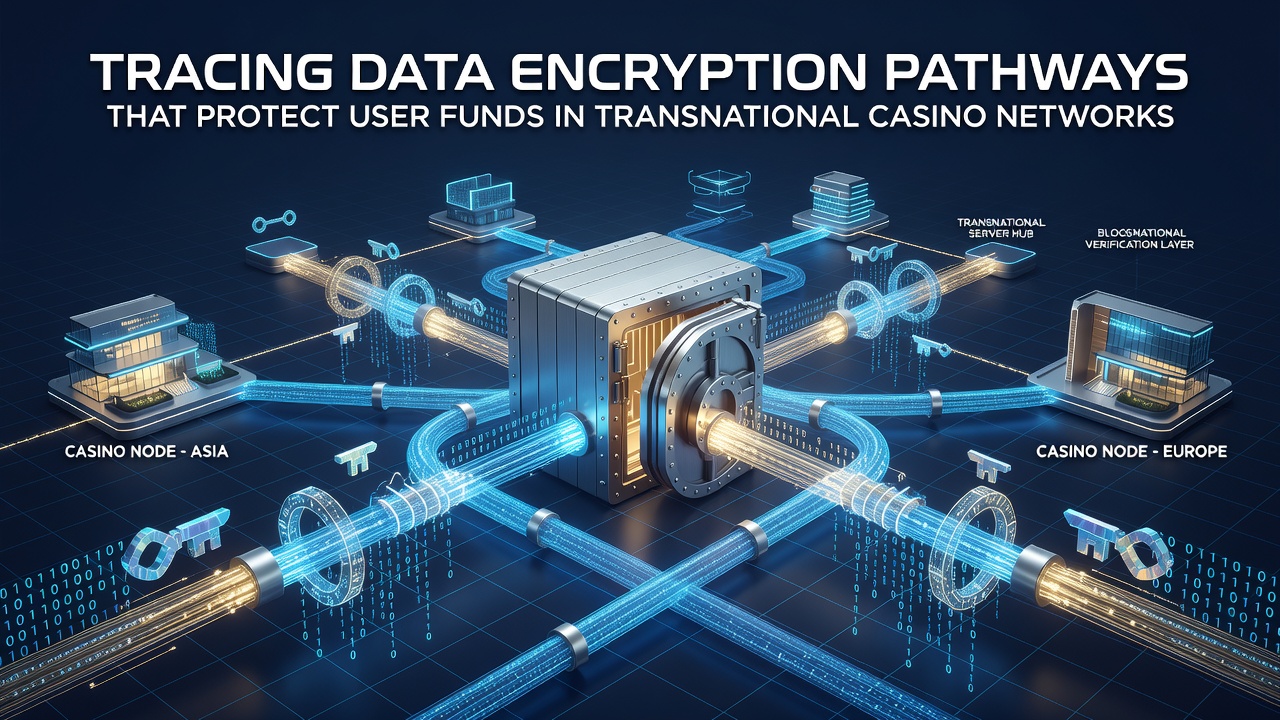
Transnational casino networks route user funds through layered encryption protocols that span multiple jurisdictions and server clusters, and observers note these systems rely on end-to-end AES-256 standards combined with TLS 1.3 handshakes to shield transaction details from interception. Data packets move from player devices to regional gateways before crossing into central processing hubs located in different countries, while each hop applies fresh session keys generated through elliptic curve Diffie-Hellman exchanges.
Network architects segment these pathways so that account balances and withdrawal requests never travel unencrypted even during brief routing stops at intermediary nodes. Researchers at academic institutions tracking digital payment security have documented how operators maintain separate encryption domains for deposit verification and payout authorization, and this separation reduces single-point exposure when servers operate under varying national data retention rules.
Pathway Mapping in Multi-Jurisdictional Setups
Operators establish primary encryption tunnels between player-facing interfaces and regional compliance servers, then extend secondary tunnels onward to centralized treasury systems often hosted offshore. Each tunnel carries distinct certificate chains verified against root authorities recognized in both the origin and destination countries, and studies show these chained validations prevent man-in-the-middle interference during cross-border transfers. In August 2026 several networks updated their certificate rotation schedules to align with new hardware security module standards adopted in North American and European data centers.
Monitoring tools log every key exchange and cipher suite negotiation along these routes, allowing security teams to trace anomalies back to specific geographic segments. Figures from industry reports indicate that transnational operators now average four distinct encryption layers between initial login and final fund settlement, whereas single-jurisdiction platforms typically employ only two.
Key Management and Regional Compliance
Key custodians distribute ephemeral keys through hardware modules located in each regulatory zone, and this distribution ensures that no single jurisdiction holds complete access to live session material. Canadian regulatory filings reveal that licensed operators must demonstrate quarterly audits of these key hierarchies, while similar requirements appear in Australian oversight documentation. The result is a distributed trust model where compromise in one region does not automatically expose funds processed through others.
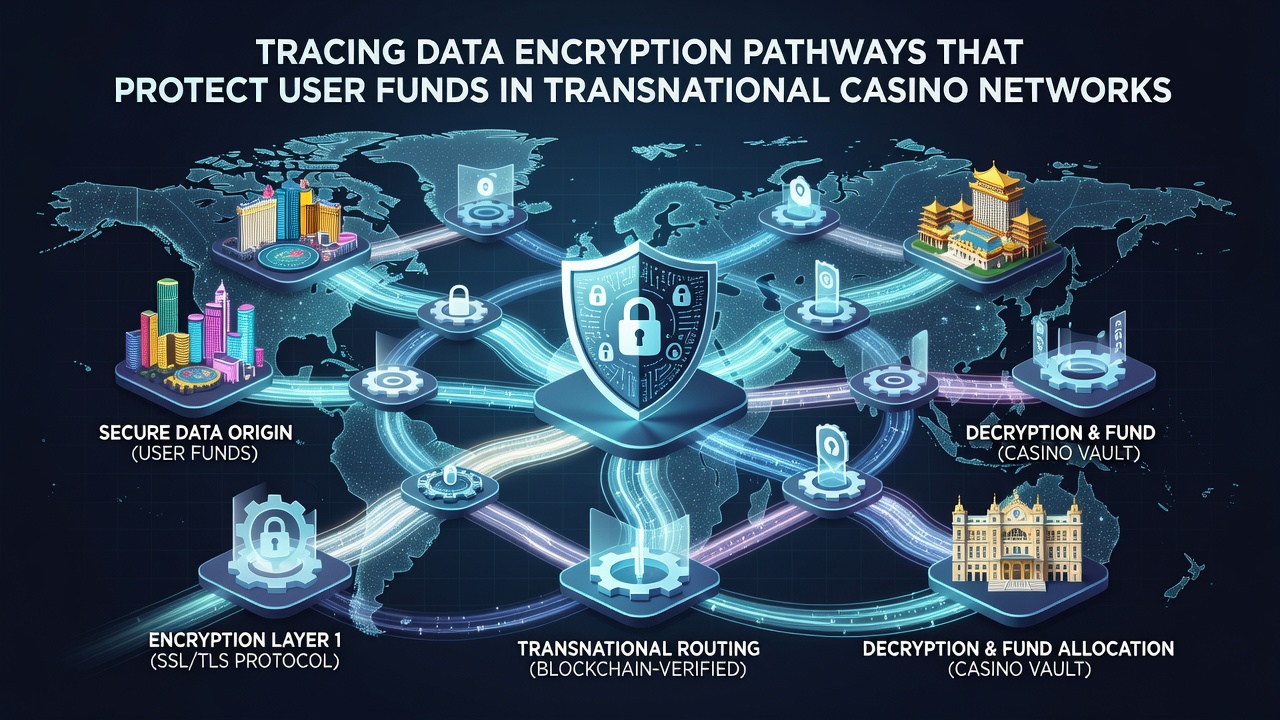
Operators integrate tokenization at the application layer so that actual account numbers remain masked even after decryption at authorized endpoints. Token vaults sit behind additional network segmentation, and access logs feed into centralized security information systems monitored around the clock. Evidence from payment processor partnerships shows this approach cuts the window during which sensitive data exists in readable form to under 200 milliseconds per transaction.
Real-Time Tracing and Anomaly Detection
Specialized software maps packet flows in real time, flagging deviations such as unexpected route changes or cipher downgrades that could signal attempted interference. Teams review these traces daily, and patterns emerging from aggregated logs help refine firewall rules across all connected regions. One documented case involved an operator identifying a misconfigured regional node within minutes because the encryption pathway log showed mismatched certificate fingerprints.
Integration with regulatory reporting platforms allows authorities in multiple countries to receive sanitized summaries of these traces without exposing player identities. Data shared through these channels has supported joint investigations into attempted fund diversions, and the process relies on cryptographic hashes rather than raw transaction details to maintain privacy.
Future Adjustments in Encryption Standards
Industry groups anticipate migration toward post-quantum algorithms within the next two years as hardware capabilities advance, and preliminary tests already run alongside current AES implementations in select transnational environments. These hybrid setups preserve backward compatibility while preparing pathways for longer key lengths and lattice-based signatures. Observers tracking the transition note that operators conducting business across more than five jurisdictions face the steepest coordination challenges during the rollout.
Conclusion
Tracing encryption pathways in transnational casino networks reveals a system built on segmented tunnels, distributed key management, and continuous monitoring that collectively shield user funds during international transfers. Updates scheduled for late 2026 will further align these routes with evolving hardware standards, and ongoing audits ensure compliance across participating jurisdictions. The architecture continues to evolve through incremental refinements rather than wholesale replacement, maintaining protection while accommodating new regulatory demands.