Evolving Payment Protocols Reshape Security for Cross-Border Online Gaming Users
Casey Washington · May 20, 2026
Evolving Payment Protocols Reshape Security for Cross-Border Online Gaming Users
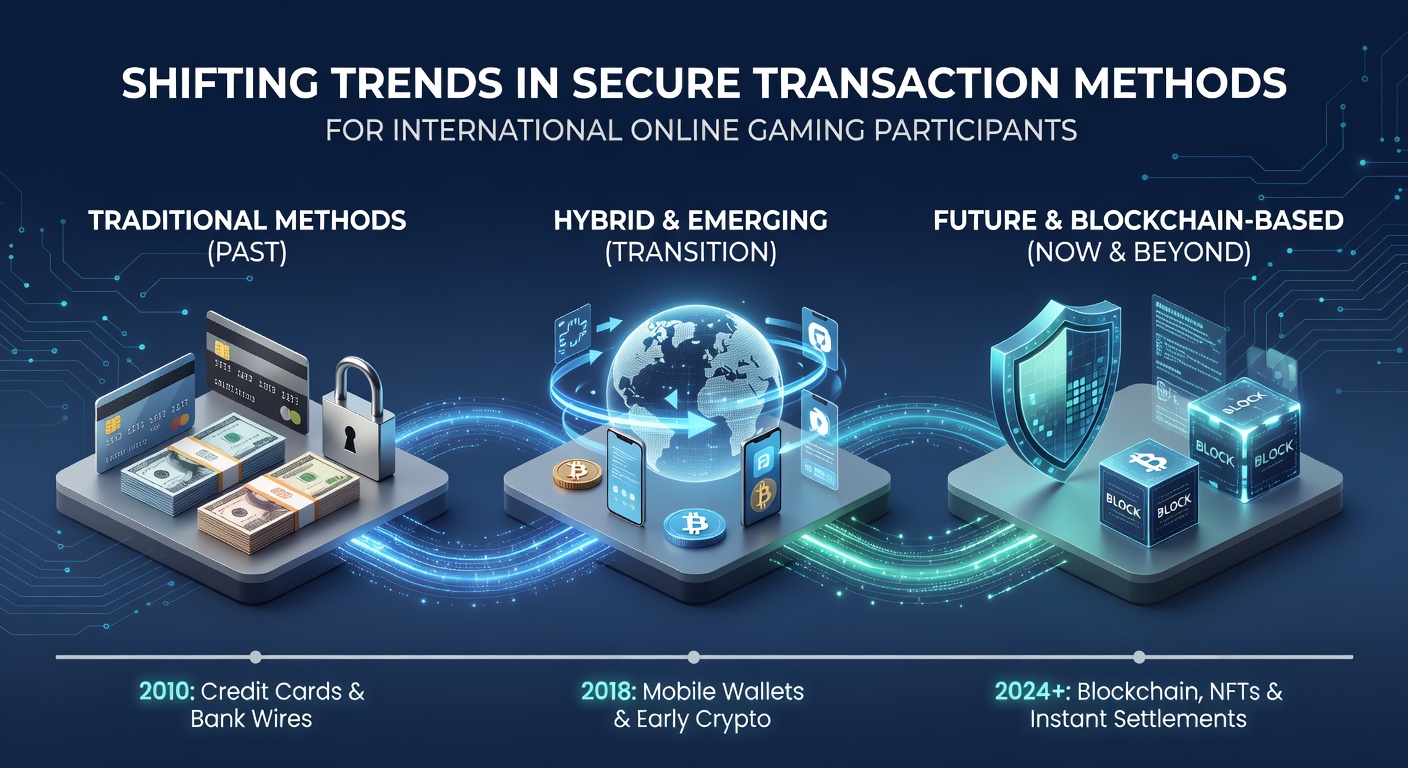
Payment security in international online gaming has moved steadily toward layered digital systems that combine encryption with real-time verification, and observers note how these changes address both regulatory demands and user expectations across regions. Traditional bank transfers and credit cards remain available yet face increasing scrutiny because of slower processing times and higher exposure to fraud in multi-jurisdictional environments, while newer options gain traction through built-in protections that adapt to fluctuating compliance standards.
From Legacy Systems to Digital-First Approaches
Bank wires once dominated cross-border transfers for gaming accounts, but data from industry audits shows their share declining as participants encounter delays of several business days and occasional holds triggered by anti-money laundering checks. E-wallets filled part of that gap by offering faster confirmations and reduced intermediary fees, yet experts highlight that even these services now incorporate additional authentication layers such as device fingerprinting and behavioral analytics to counter rising account takeover attempts reported in 2025 transaction logs.
Regulatory Updates Driving Method Shifts
By May 2026 several oversight bodies outside the United Kingdom had introduced updated guidelines that emphasize tokenization and end-to-end encryption for any platform serving users from multiple countries. Canadian provincial regulators, for instance, began requiring licensed operators to log transaction metadata in formats compatible with automated monitoring tools, and similar measures appeared in Australian state frameworks that tie licensing renewal to demonstrated adoption of multi-factor authorization protocols.
Those requirements prompted many platforms to integrate stablecoin settlements that settle on public ledgers within minutes, and researchers at academic centers studying digital finance observed lower dispute rates when such instruments replaced older wire services. Participants located in regions with strict capital controls particularly benefit because the decentralized nature of these assets bypasses some banking restrictions without violating local rules when proper licensing is in place.
Biometrics and Artificial Intelligence Enter the Transaction Flow
Biometric verification has expanded beyond simple fingerprint checks to include facial recognition matched against government-issued documents during high-value withdrawals, and platforms report that false-positive rejections dropped after implementing machine-learning models trained on regional gaming patterns. One study released in early 2026 by a European research consortium found that combining these tools with behavioral signals such as typing rhythm and navigation speed reduced unauthorized access incidents by measurable margins across tested sites.
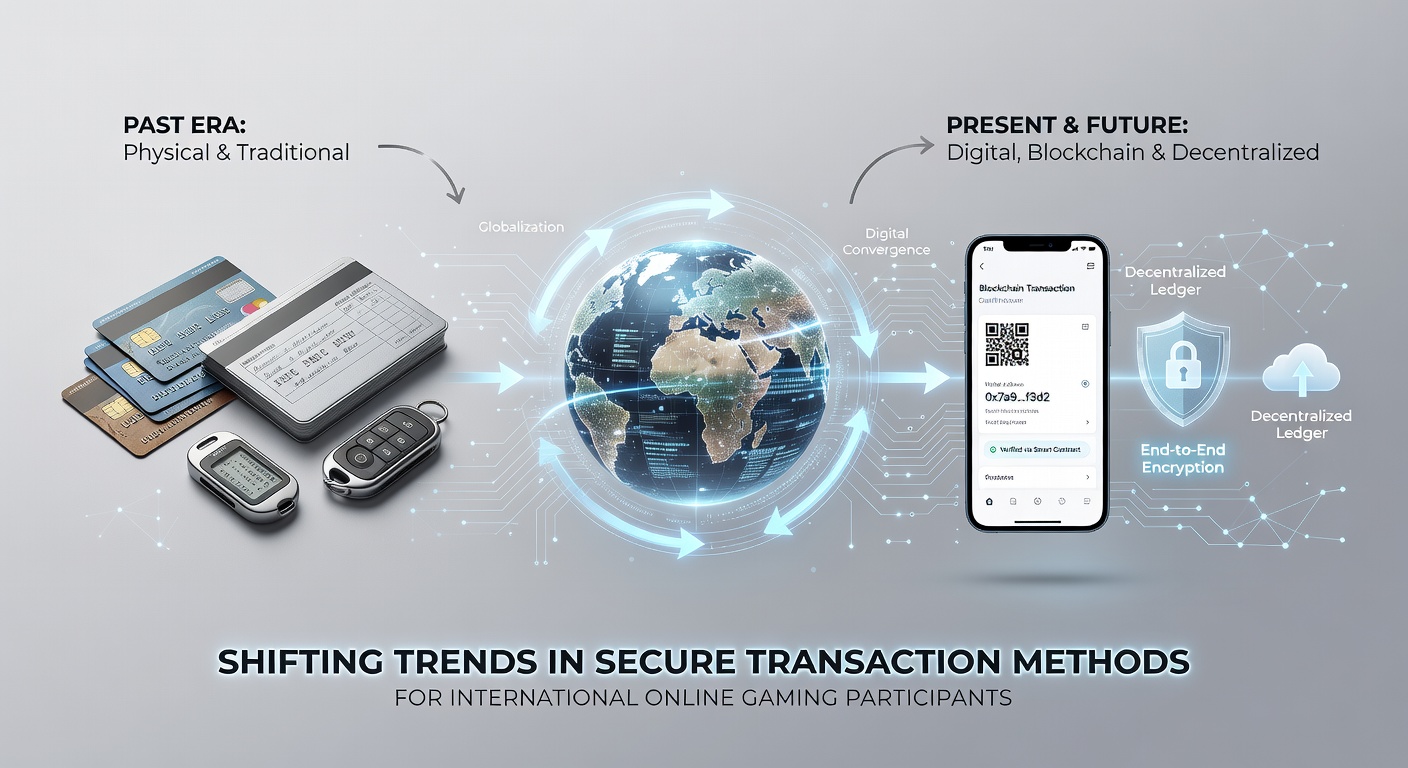
That same research also noted regional differences in adoption speed, with Asia-Pacific operators moving ahead of North American counterparts in rolling out contactless confirmation methods because mobile penetration rates there already supported the necessary hardware. Meanwhile North American platforms focused first on regulatory alignment with emerging federal reporting standards that took effect in the first quarter of the year.
Case Examples from Major Markets
Take the experience of operators serving players across the European Economic Area and parts of Latin America, where hybrid wallets now allow instant conversion between fiat and digital assets while maintaining audit trails required by local authorities. Figures released by the Asia Pacific Gaming Association reveal that transaction volumes processed through these hybrid systems grew steadily through spring 2026, driven largely by users who previously relied on slower bank channels and now encounter fewer verification bottlenecks.
Yet the transition has not eliminated every friction point, because cross-border tax reporting obligations still require platforms to collect additional documentation regardless of payment rail chosen. Observers note that companies investing early in automated compliance dashboards have managed to keep user drop-off rates lower than those relying on manual review processes.
Looking Ahead at Infrastructure Developments
Industry conferences scheduled for later in 2026 are expected to showcase pilot programs that test quantum-resistant encryption for gaming transaction ledgers, and preliminary results shared by technical working groups suggest these upgrades could protect against future computational threats without disrupting current settlement speeds. Participants who monitor regulatory announcements from multiple jurisdictions will likely see continued convergence around standards that prioritize both speed and verifiable security.
Conclusion
Secure transaction methods for international online gaming participants continue to evolve through the interplay of technology upgrades, regional regulations, and user preferences, and data collected through mid-2026 indicates that platforms adopting integrated verification tools maintain higher retention among cross-border users. The landscape remains dynamic as new encryption standards and reporting requirements emerge, yet the direction points toward systems that balance accessibility with robust protection across borders.