How Cross-Jurisdictional Licensing Controls Game Availability in Global Online Casinos
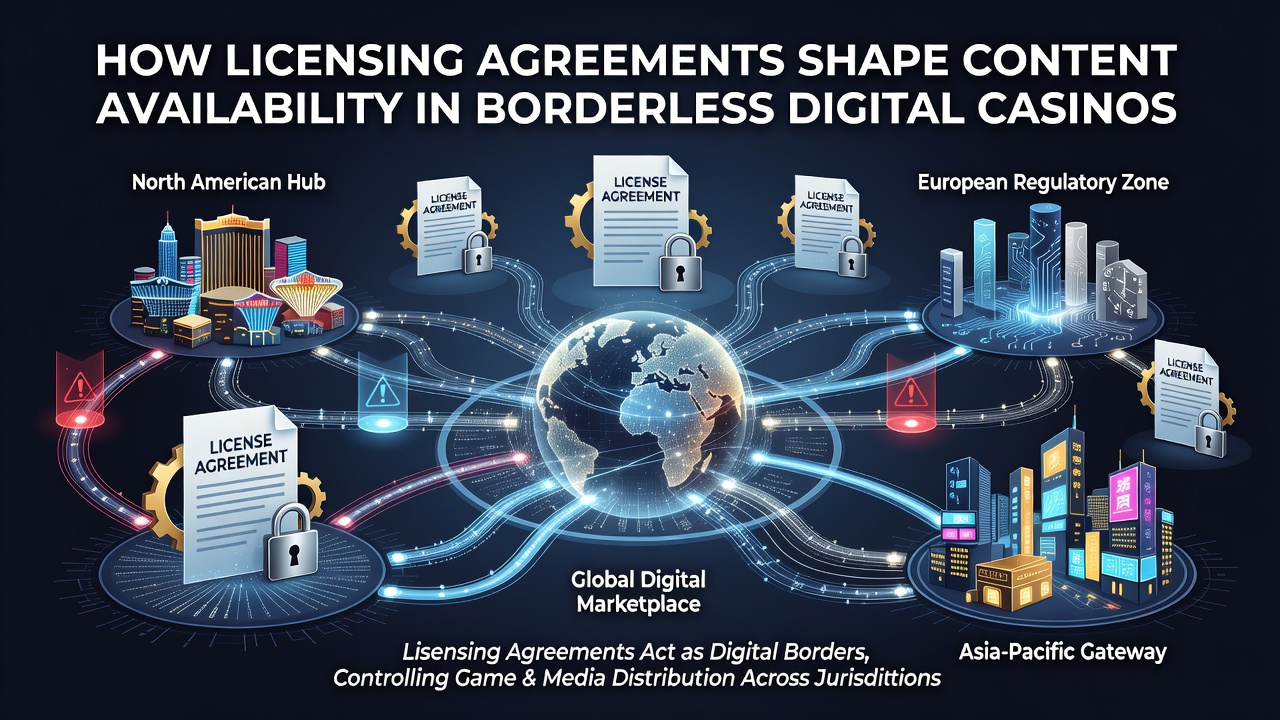
 Licensing agreements form the backbone of content distribution in digital casinos that operate across borders, and these contracts determine which games reach players in specific regions while blocking others entirely. Providers such as slot developers and live dealer studios negotiate territorial rights with operators, and the resulting deals create fragmented libraries that vary dramatically from one country to another. In July 2026 data from industry tracking services showed that operators serving multiple markets maintained an average of 38 percent fewer titles for users in restricted zones compared with core domestic audiences.
Understanding Territorial Rights in Gaming Contracts
Operators secure licenses that grant access to specific game portfolios only within approved jurisdictions, and these restrictions stem from intellectual property laws plus regulatory approvals that differ by location. A provider might allow a popular slot title in one market yet withhold it elsewhere because another company holds exclusive rights there. This setup means players accessing platforms from different countries encounter inconsistent selections even when using the same operator brand.
Regulatory bodies enforce these boundaries through compliance requirements that tie operator permits to content sourcing rules. Those who have examined licensing frameworks note that agreements often include clauses requiring geo-blocking technology to prevent unauthorized access. Such measures keep operators in line with local laws while preserving the value of territorial deals for game studios.
Regional Variations and Player Access Patterns
European markets frequently feature broader game libraries because multiple licensing authorities permit overlapping supplier contracts, whereas certain Asian and North American jurisdictions impose stricter content filters tied to local approvals. Observers note that Canadian provincial regulators and Australian authorities maintain separate approval processes that affect which titles operators can promote. These differences create situations where a live dealer game available to one player remains inaccessible to another located just across a border.
Data from regulatory filings indicate that content availability drops sharply when operators enter new markets without renegotiated supplier deals. Research conducted by gaming analytics firms reveals that players in emerging regions encounter delays of several months before popular releases appear, and some titles never launch at all due to unresolved licensing conflicts. This pattern holds true across both desktop and mobile platforms.
Provider Strategies and Market Fragmentation
Game developers structure their distribution models around multiple license tiers that allow different pricing and exclusivity levels depending on the territory. Larger studios maintain dedicated teams to manage these negotiations, and the process often involves staggered rollouts that prioritize high-value markets first. Smaller providers face greater challenges because limited resources restrict their ability to secure simultaneous approvals across many jurisdictions.
Take one case where experts tracked a major slot launch that reached North American players six weeks ahead of European audiences because the supplier finalized agreements with state-level regulators first. Another example involves a live casino provider that withheld certain table games from specific countries after a competitor secured exclusive distribution rights. These staggered releases illustrate how licensing timelines directly influence what appears in player lobbies.
Technology Enforcing Licensing Boundaries
Operators deploy IP detection systems and account verification protocols that align with the terms of their supplier contracts. These tools automatically adjust visible game catalogs based on detected location, and the adjustments happen in real time as users move between regions. Compliance reports submitted to authorities in July 2026 documented thousands of instances where content was withheld to satisfy licensing conditions rather than technical limitations.
Industry organizations such as the Canadian Gaming Association have published summaries showing how these enforcement mechanisms maintain consistency across platforms. Similar documentation from the New Jersey Division of Gaming Enforcement outlines parallel requirements that operators must meet when serving international traffic alongside domestic users.
Future Developments in Licensing Models
Emerging frameworks explore multi-territory licensing bundles that could reduce fragmentation, yet adoption remains slow because individual regulators retain final approval authority. Providers continue testing flexible contract structures that allow shared rights across compatible jurisdictions while preserving exclusivity where required. Those monitoring these trends report gradual shifts in how agreements are drafted, particularly as more markets establish standardized review processes.
Conclusion
Licensing agreements continue to define the boundaries of content availability in borderless digital casinos by creating enforceable territorial limits that operators and providers must respect. The resulting variations in game libraries reflect the intersection of intellectual property protections, regulatory oversight, and commercial negotiations that differ across regions. As markets evolve, the structure of these contracts will determine whether access becomes more uniform or remains divided along jurisdictional lines.