How Video Slot Algorithms Adapt to Shifting Regulatory Landscapes Across Regions

Video slot mechanics have evolved through continuous refinements in their underlying algorithms as operators respond to regulatory shifts in multiple jurisdictions, and these changes often involve modifications to return-to-player percentages, feature triggers, and randomization parameters that align with local compliance standards.
Regional Regulatory Pressures and Algorithmic Responses
Operators in North America have adjusted slot algorithms to meet state-specific mandates on game fairness and payout structures, while similar adaptations occur in European markets where volatility caps and session time limits influence code-level decisions. Data from industry reports indicate that these adjustments frequently target the random number generator outputs to ensure consistent compliance across different player bases without altering core game themes.
One notable example involves developers recalibrating bonus round frequencies in response to rules that limit maximum win multipliers in certain provinces, and this process relies on server-side updates that deploy new parameter sets to existing titles rather than requiring full game rebuilds.
Technical Mechanisms Behind Adaptive Changes
Adaptive algorithms in modern video slots operate through modular code frameworks that allow real-time or scheduled modifications to hit frequencies and payout distributions, and these frameworks integrate with certification tools that verify compliance before deployment. Researchers at technical universities have documented how machine learning models assist in predicting the impact of regulatory tweaks on player engagement metrics, enabling proactive tuning of reel weights and symbol probabilities.
According to findings from a collaborative study by European gaming technology institutes, such systems reduce downtime during updates by isolating affected modules, which means operators can address new requirements from bodies like those in Canada or Australia through targeted patches instead of comprehensive overhauls.
Implementation Across Different Jurisdictions
In the United States, several state gaming authorities have introduced guidelines that prompt algorithm adjustments for progressive jackpot contributions and near-miss configurations, and developers have responded by embedding region-specific profiles that activate based on player location data. This approach ensures that a single game title can function across borders while satisfying divergent rules on maximum bet limits and feature disclosures.
Meanwhile, updates effective around July 2026 in select Asian markets have required further refinements to autoplay sequences and loss-limit integrations, prompting slot providers to enhance their backend systems with geofencing capabilities that enforce these parameters automatically. Figures from trade associations reveal that these changes have led to measurable shifts in average session durations across compliant platforms.
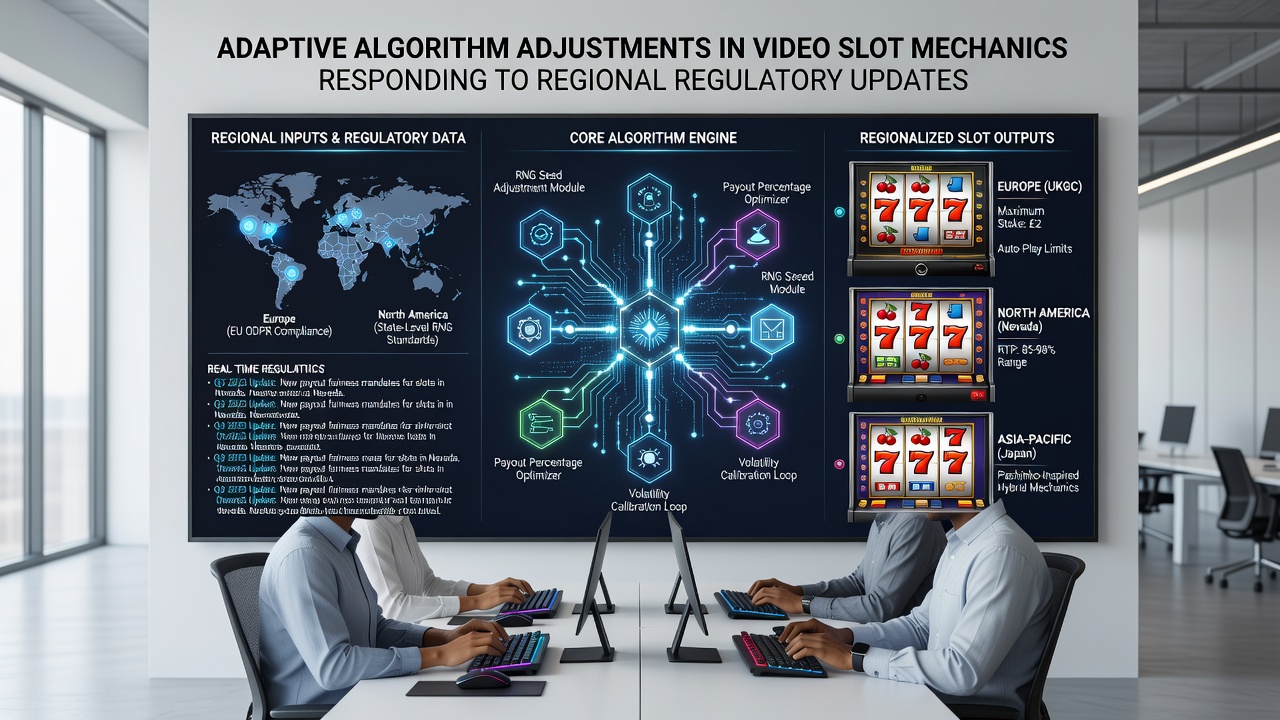
Take the case of one major manufacturer that deployed adaptive randomization protocols following revisions from the New Jersey Division of Gaming Enforcement, where the focus centered on maintaining certified RTP ranges amid evolving tax structures that affect net player returns.
Challenges in Maintaining Consistency and Fairness
Balancing algorithmic flexibility with strict certification processes presents ongoing hurdles, because any modification must undergo retesting by independent labs to confirm that core randomness remains unaltered. Observers note that this requirement has driven investment in simulation environments that model regulatory scenarios before live rollout, reducing the risk of non-compliance flags during audits.
Industry data shows that cross-platform synchronization plays a key role here, as cloud-based distribution networks allow simultaneous updates to desktop and mobile versions while preserving identical outcome probabilities regardless of the access point.
Future Directions in Regulatory-Driven Development
Emerging patterns suggest that algorithm adjustments will incorporate more granular player behavior analytics to fine-tune game parameters in line with harm-minimization directives from various regulators, and this trend builds on existing practices already in use by operators in Australia and parts of North America. Academic papers from gaming research centers highlight how these integrations could standardize compliance reporting through automated data feeds to oversight bodies.
What's notable is the way these developments encourage collaboration between software engineers and legal teams to anticipate rule changes, resulting in architectures designed for quicker iterations without sacrificing the integrity of the underlying mechanics.
Conclusion
Adaptive algorithm adjustments in video slot mechanics continue to reflect the interplay between technological capabilities and regional regulatory frameworks, with evidence from multiple sources pointing to sustained evolution in response to new guidelines. As jurisdictions refine their approaches, the emphasis remains on maintaining certified fairness while accommodating localized requirements through precise, targeted modifications. This ongoing process supports broader industry stability as operators navigate an expanding map of compliance obligations.