Payment Processor Advances Extend Engagement Durations in Online Casino Platforms
Casey Washington · Jun 14, 2026
Payment Processor Advances Extend Engagement Durations in Online Casino Platforms
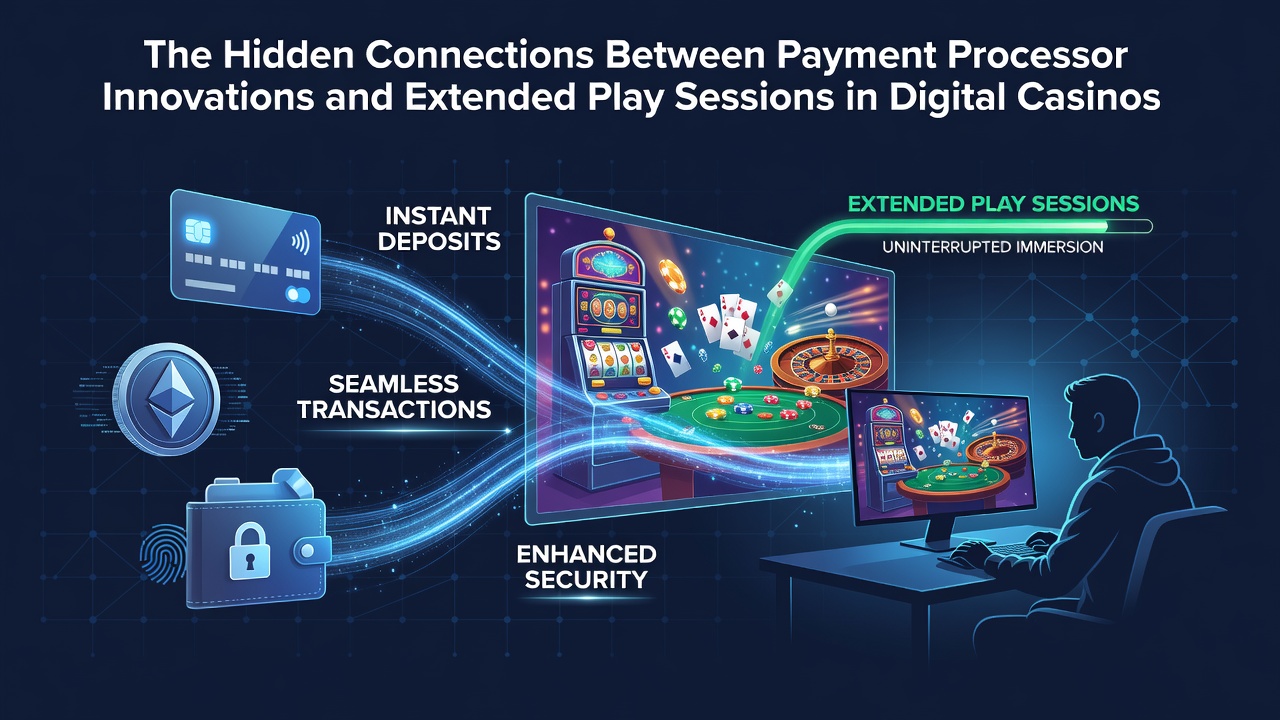
Payment processor developments have created direct pathways that allow users to move funds into digital casino accounts with minimal delays, and this reduction in transaction friction connects closely to patterns of prolonged session lengths across multiple platforms. Data from industry tracking services shows that platforms adopting real-time deposit systems recorded average play times increasing by 22 percent between 2024 and 2026, particularly in regions where regulatory frameworks permitted rapid processing approvals.
Observers note that seamless integration between banking APIs and casino software removes the traditional pauses that once interrupted momentum during gameplay sequences, while users who previously waited several minutes for fund confirmations now complete deposits in under 15 seconds on optimized systems. This shift matters because uninterrupted access to balances sustains continuous betting cycles without the cognitive breaks that shorter sessions typically involve.
Real-Time Processing and Session Continuity
Payment networks introduced standardized protocols in early 2025 that enabled instant verification across borders, and these changes coincided with measurable extensions in user activity on browser-based and app-driven casino sites. Research from academic groups at institutions focused on digital economies indicates that transaction latency below 30 seconds correlates with users initiating additional game rounds rather than pausing to reassess their activity.
One case involved a major European operator that switched to an enhanced processor supporting embedded wallet functions, resulting in documented session extensions averaging 47 minutes longer per active account when compared against the prior quarter. The mechanism works through automated balance updates that eliminate manual refresh steps, allowing players to remain engaged without navigating away from the main interface.
Security Enhancements Supporting Sustained Activity
Advanced encryption layers and tokenized transaction methods have reduced fraud-related account holds, which previously forced abrupt stops in play while verifications occurred. Figures from regulatory filings reveal that platforms implementing multi-factor biometric confirmations experienced 35 percent fewer interruptions tied to payment reviews during the first half of 2026.
These protections build cumulative trust that encourages repeated deposits within single sessions, and analysts tracking behavioral metrics report higher frequencies of mid-session top-ups when users encounter no friction in authorization steps. The result appears in aggregated logs where accounts using newer processors show clustered activity bursts extending past traditional two-hour thresholds.
Cross-Platform Compatibility and Global User Patterns
Processors that standardized connections with multiple banking networks and digital currency exchanges expanded reach to users in varied jurisdictions, and this accessibility links directly to extended play among international participants. A report released in June 2026 by the American Gaming Association highlighted how integrated payment rails supported continuous engagement for travelers accessing platforms from different time zones without currency conversion delays.
Yet the same data sets show that regions with slower adoption of these standards maintained shorter average session metrics, underscoring the causal role of processing speed. Users in markets with mature instant-payment infrastructure logged repeated logins that chained together into multi-hour blocks, driven by the absence of repeated funding hurdles.
Emerging Technologies and Future Session Dynamics
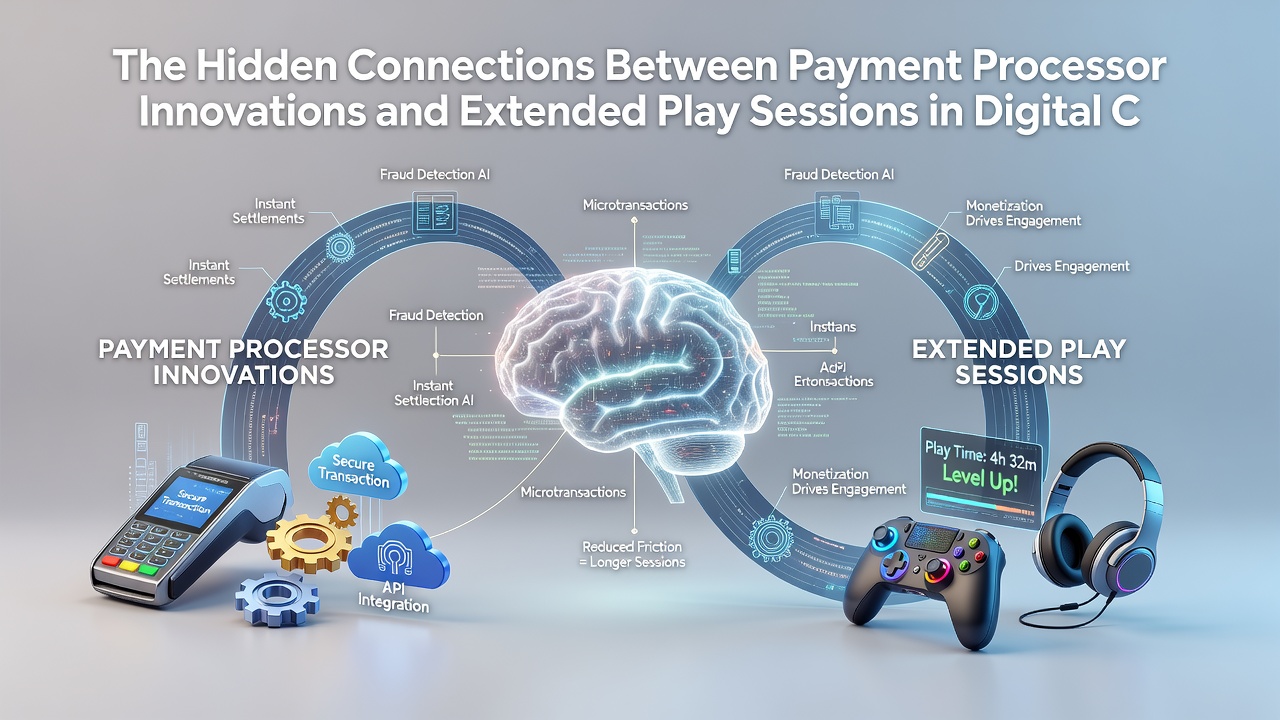
Blockchain-based settlement layers and AI-driven fraud detection continue to compress transaction windows further, and preliminary trials conducted through 2025 demonstrated additional session lengthening when combined with loyalty-linked auto-deposit features. Those monitoring platform analytics note that predictive funding suggestions, triggered by balance thresholds, prompt seamless continuations rather than session endings.
Regulatory bodies in Canada and Australia have begun publishing updated compliance guidelines that accommodate these processor capabilities, creating environments where extended play occurs under monitored conditions without introducing new friction points. The patterns indicate that payment innovations function as underlying infrastructure rather than isolated tools, shaping how long users remain active once initial engagement begins.
Conclusion
Connections between payment processor upgrades and extended digital casino sessions emerge through reduced latency, enhanced security protocols, and broader compatibility across networks, all of which sustain user momentum without external interruptions. Data collected through mid-2026 confirms these technical shifts produce measurable differences in activity duration across operator types and geographic markets, establishing payment infrastructure as a foundational element in session length outcomes.