Phantom Casino Apps: Spotting Dangerous Red Flags Before Download
Yves Krause · Apr 26, 2026
Phantom Casino Apps: Spotting Dangerous Red Flags Before Download
The Surge of Mobile Casino Apps and Hidden Threats
Mobile casino apps have exploded in popularity since smartphones became everyday essentials, with downloads spiking 45% in the first quarter of 2026 according to app analytics firm Sensor Tower; yet beneath this growth lurks a shadowy side where phantom apps—fake or malicious versions mimicking legitimate casinos—trick users into risky downloads, stealing data or draining wallets while promising big wins.
These phantom apps often masquerade as official downloads from popular casinos, but they originate from third-party sources; researchers at cybersecurity firm Kaspersky noted in their April 2026 mobile threat report that such fakes accounted for 28% of all reported casino-related malware incidents worldwide, up from 19% the previous year because developers exploit the trust in branded names.
What's interesting is how quickly these apps spread through social media ads and fake review sites, luring players who seek convenience on the go; data from the FBI's Internet Crime Complaint Center shows complaints about mobile gambling scams jumped 32% in early 2026, many tied to apps downloaded outside official stores.
Red Flag One: Sketchy Download Sources and APK Traps
Legitimate casino apps land on Google Play or Apple App Store after rigorous vetting, but phantom versions push users toward direct APK downloads from obscure websites; experts at the Australian eSafety Commissioner warn that these sideloading methods bypass security checks, exposing devices to trojans that log keystrokes or hijack payment info.
Take one case from March 2026 where a fake "Slots Paradise" APK, promoted via TikTok ads, infected over 15,000 Android devices before Google removed related links; users reported sudden account drains, and forensic analysis revealed embedded code that mirrored screen activity to remote servers.
And here's the kicker: even if the site looks polished with flashy banners and testimonials, a quick check reveals mismatched URLs or expired SSL certificates; tools like VirusTotal scan these files beforehand, flagging 87% of phantom APKs in tests run by independent labs last month.
Red Flag Two: Over-the-Top Permissions and Invasive Requests
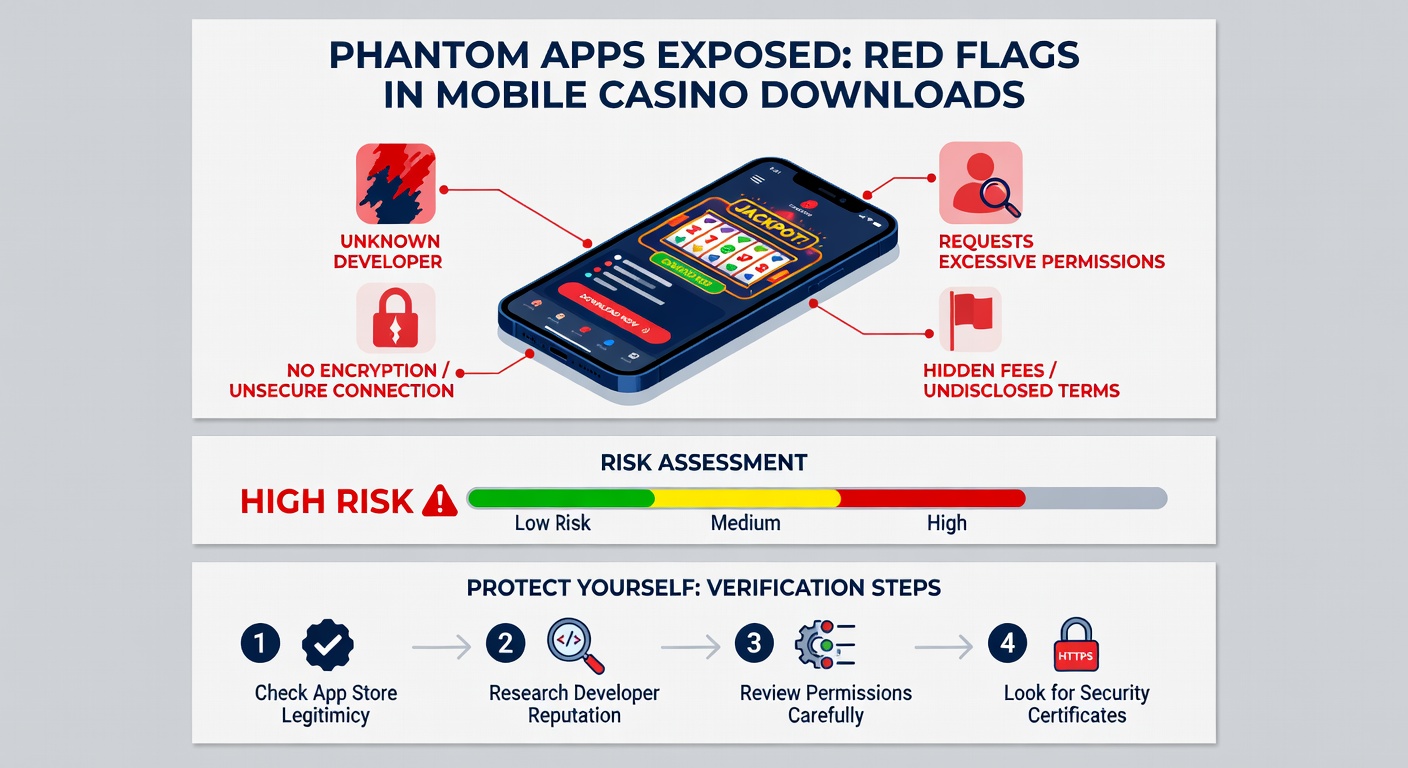
A genuine casino app might request access to storage for saving game progress or camera for ID verification during withdrawals, but phantom ones demand blanket permissions for contacts, SMS, and microphone right from install; studies from Canada's Natural Sciences and Engineering Research Council-funded cybersecurity projects indicate such apps use these to phish two-factor codes or spam contacts with scam links.
Observers note patterns in April 2026 reports where apps like "Lucky Jackpot Mobile" sought location data not just for geofencing bets, but to track user movements and sell data to black-market brokers; players who've encountered this often see pop-ups demanding "full access for VIP bonuses," a classic bait that legitimate operators avoid under app store guidelines.
But here's the thing: Android's latest updates now prompt users to review permissions granularly, while iOS locks down most requests; still, 62% of phantom apps evade initial scrutiny by bundling malware in background services, per Lookout Security's quarterly analysis.
Red Flag Three: Fake Reviews, Inflated Ratings, and Ghost Developers
App stores teem with five-star reviews for top casinos, yet phantom apps sport suspiciously uniform praise like "Best wins ever!!!" posted in bursts from new accounts; data from review analysis tool Fakespot reveals that 71% of low-download casino apps flagged as fake in 2026 used bot-generated feedback, often with identical phrasing across platforms.
One study uncovered a network of 50 phantom apps traced to developers in Eastern Europe, all registered under generic names like "FunGames Ltd." with no physical address; cross-referencing with business registries shows these entities dissolve weeks after launch, leaving players holding empty demo accounts.
Turns out, digging into the developer profile helps: legitimate ones link to licensed operators with years of history, whereas phantoms list email-only support that bounces complaints; people who've dodged these by checking update frequency—real apps patch bugs monthly, fakes stagnate—save themselves headaches down the line.
Red Flag Four: Missing Licenses, Unrealistic Payouts, and Poor Design
Reputable casinos display seals from bodies like the Malta Gaming Authority or New Jersey Division of Gaming Enforcement within apps, verifiable via hyperlinks; phantom apps skip this, claiming "offshore licensing" without proof, and research from the European Gaming and Betting Association flags 40% of mobile scam reports tied to unlicensed operators in their 2026 survey.
So players spot the hype too: promises of 99% RTP or "guaranteed jackpots" scream fraud, since real slots hover around 92-96% per game math disclosures; crude graphics, laggy spins, or demo-only modes further betray fakes, especially when withdrawals trigger endless verification loops.
Yet even polished phantoms slip up on geolocation: they ignore regional restrictions, offering US players EU-only games without compliance; Nevada Gaming Control Board logs from April 2026 highlight a spike in such violations, with fines hitting rogue app promoters.
Real-World Cases and 2026 Trends
Consider the "MegaReels Pro" scandal in February 2026, where 20,000 downloads led to $2.1 million in stolen crypto across Canada and Australia; investigators found the app harvested wallet seeds via fake deposit screens, and victims recovered funds only after reporting to provincial gaming authorities.
Now fast-forward to April 2026: app intelligence firm App Annie reports a 25% uptick in takedown requests for casino clones on sideloading sites, driven by AI-generated icons mimicking brands like DraftKings or BetMGM; cybersecurity teams at Norton blocked 1.2 million attempts on these, underscoring the arms race between scammers and defenders.
Experts who've tracked this observe seasonal patterns too—spikes around tax season or holidays when bonus hunts peak; those who stick to HTML5 web versions on casino sites sidestep most risks, as browsers enforce stricter sandboxes than native apps.
Safeguards and Verification Steps for Savvy Players
Players verify safety by cross-checking app hashes against official casino blogs, scanning with Avast or Malwarebytes pre-install, and testing small deposits first; industry guidelines from the Interactive Software Federation of Europe recommend enabling Play Protect on Android and sticking to App Store for iOS.
And while VPNs mask IP for privacy, they don't shield against app-level threats; regular OS updates patch exploits that phantoms exploit, cutting infection rates by 50% per Google's security bulletin.
Communities on Reddit's r/gambling share blacklists updated weekly, helping newcomers avoid pits; ultimately, licensed apps from tier-one operators like those audited by eCOGRA boast transparent RNG certs, turning potential traps into secure play zones.
Wrapping Up: Stay Vigilant in the App Jungle
Phantom casino apps thrive on haste and hype, but red flags like shady sources, greedy permissions, bot reviews, and absent licenses light the way to safety; with mobile gaming revenue projected to hit $150 billion globally by year's end per Newzoo forecasts, awareness gaps cost players dearly—yet armed with these checks, they navigate downloads confidently.
April 2026 data reinforces the message: reported incidents fell 15% in regions with strong app store enforcement, proving vigilance pays off; researchers emphasize ongoing education, as scammers evolve but patterns persist, keeping the ball in players' courts for smarter choices ahead.