Player Migration Patterns Emerge from Layered Loyalty Programs Across State Gaming Borders
Yves Krause · Jun 17, 2026
Player Migration Patterns Emerge from Layered Loyalty Programs Across State Gaming Borders
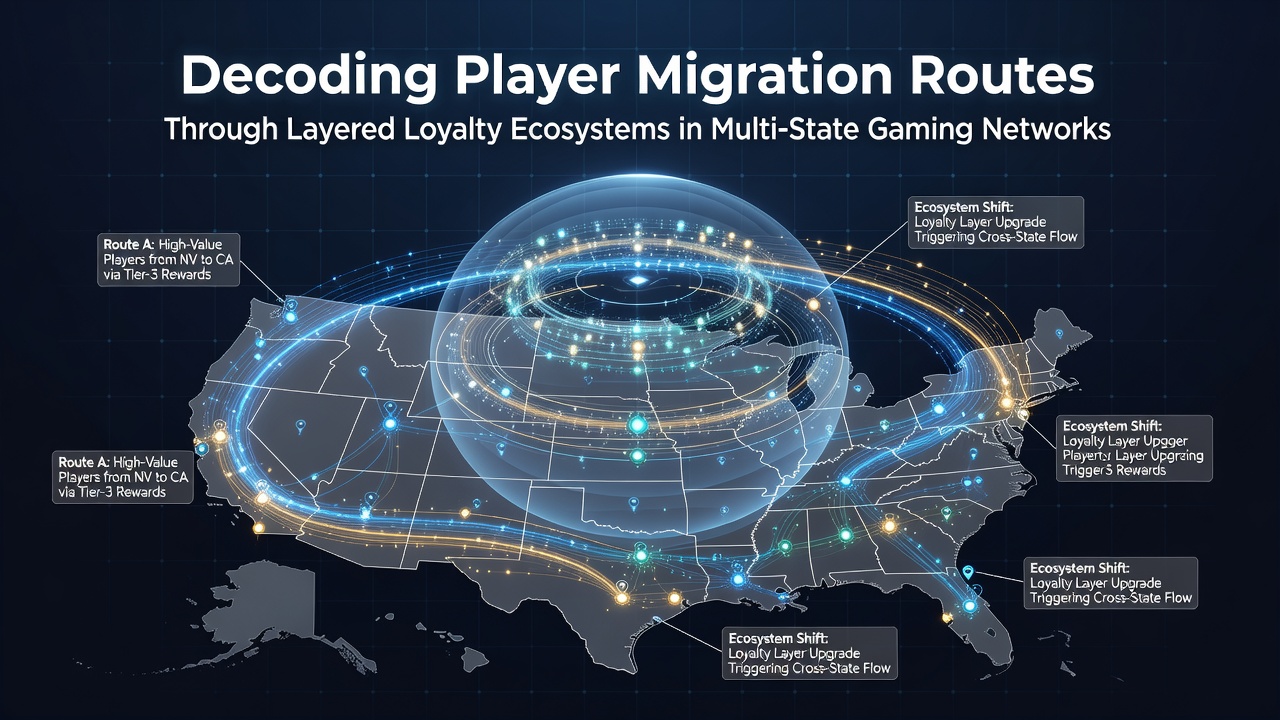
Multi-state gaming networks have expanded rapidly since the initial wave of sports betting legalization, and loyalty ecosystems now function as primary tools for tracking how players move between jurisdictions. Operators collect detailed behavioral data through tiered reward structures that span separate state regulatory frameworks, allowing analysts to identify consistent migration routes without relying on direct player self-reporting. These systems integrate slot play metrics, table game preferences, and redemption patterns to build profiles that persist across state lines where permitted by law.
Core Mechanics of Layered Loyalty Integration
Layered loyalty programs operate through shared technology platforms that synchronize player accounts while respecting individual state data rules, and operators achieve this by maintaining separate legal entities in each jurisdiction yet linking them via centralized customer relationship management tools. Players earn base points in one state that convert to status credits usable elsewhere, which creates measurable pathways when someone relocates activity from New Jersey online casinos to Pennsylvania retail properties during seasonal travel periods. Data shows these conversions happen most frequently among mid-tier members who qualify for hotel and dining perks that encourage cross-border visits.
Researchers tracking activity through 2025 into June 2026 observed that migration spikes align with promotional calendars rather than random movement, and programs that offer accelerated earning during summer months draw measurable shifts toward states hosting large-scale events. The same datasets reveal return flows when players exhaust point balances or encounter changes in game availability, demonstrating that loyalty layers actively shape rather than merely record these routes.
Regional Data Patterns and Technology Enablers
States with mature iGaming markets generate richer migration datasets because digital platforms capture every session in real time, whereas land-based only networks rely more heavily on card swipes at physical locations. According to reports published by the American Gaming Association, multi-state operators have increased technology spending on unified player databases by double-digit percentages year over year, which directly supports route mapping capabilities. These investments allow segmentation of players into groups that favor specific corridors, such as those traveling regularly between Illinois and Indiana properties or between Michigan online sites and Ohio retail venues.
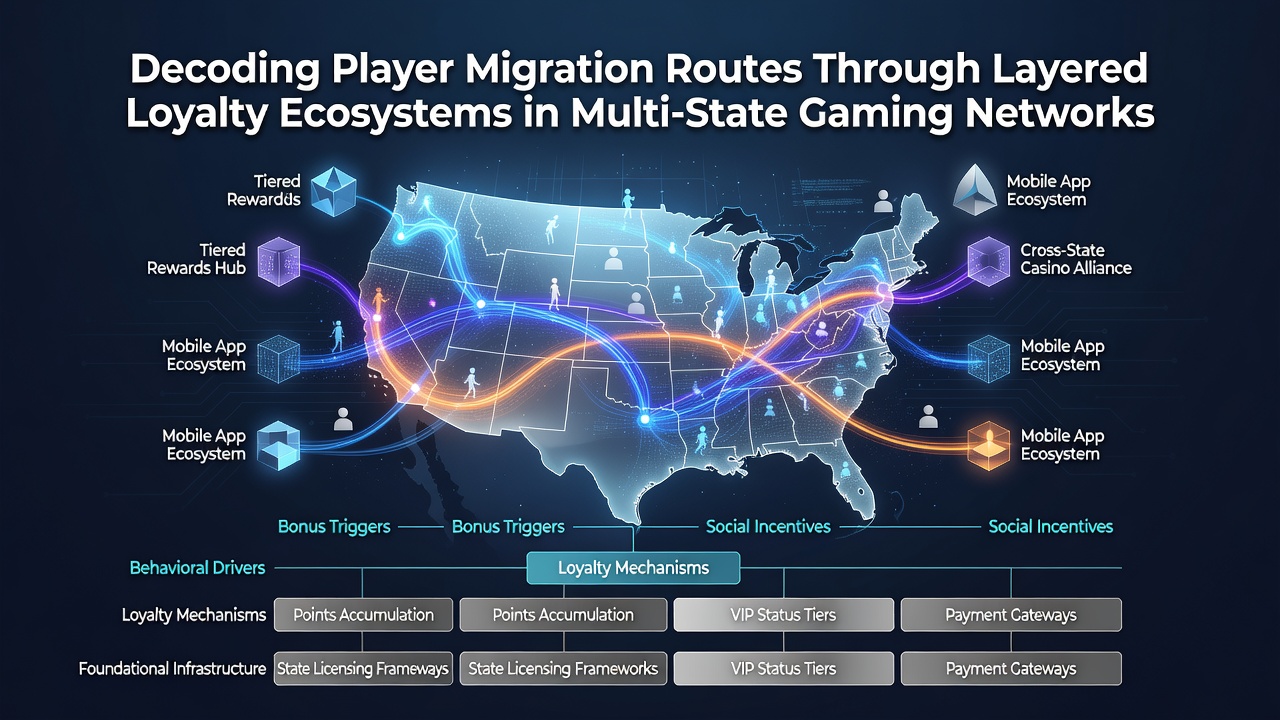
Geolocation verification remains essential for compliance, yet it also supplies precise timestamps that analysts cross-reference with loyalty redemptions to confirm when a player has effectively migrated activity. Machine learning models process these signals alongside demographic indicators to forecast future movements weeks in advance, giving operators time to adjust marketing offers before the player completes the shift. Industry organizations note that such predictive modeling reduces player churn during transitions between states.
Regulatory Considerations Shaping Data Flows
Each state maintains distinct rules governing player data portability, and these differences influence how deeply loyalty layers can connect across borders. Some jurisdictions require explicit consent for cross-state profile sharing while others permit broader operational transfers under gaming control board oversight. Operators therefore design modular systems that activate or restrict data exchange modules depending on the specific regulatory environment, which adds complexity but preserves compliance. Recent adjustments in several states during early 2026 refined consent language without halting the overall growth of interconnected reward structures.
External research from institutions such as the University of Nevada, Las Vegas International Gaming Institute continues to examine how these regulatory variations affect player route stability over multi-year periods. Their findings indicate that networks offering seamless point portability experience steadier migration volumes compared with fragmented alternatives, even when tax and fee structures differ between states.
Conclusion
Layered loyalty ecosystems have become the primary lens through which operators decode player migration across multi-state gaming networks, combining transactional records with regulatory-compliant data sharing to reveal consistent behavioral corridors. As technology platforms mature and additional states authorize gaming activities, these mapping capabilities are expected to grow more granular while remaining anchored in verifiable activity rather than speculation. The resulting insights support both operational planning and regulatory reporting requirements without compromising individual state authority over local markets.